Mining
WORLD BANK CALLS FOR COORDINATED ACTION TO UNLOCK MINING SECTOR GROWTH
November 11, 2026 / Jacqueline MONJEZA
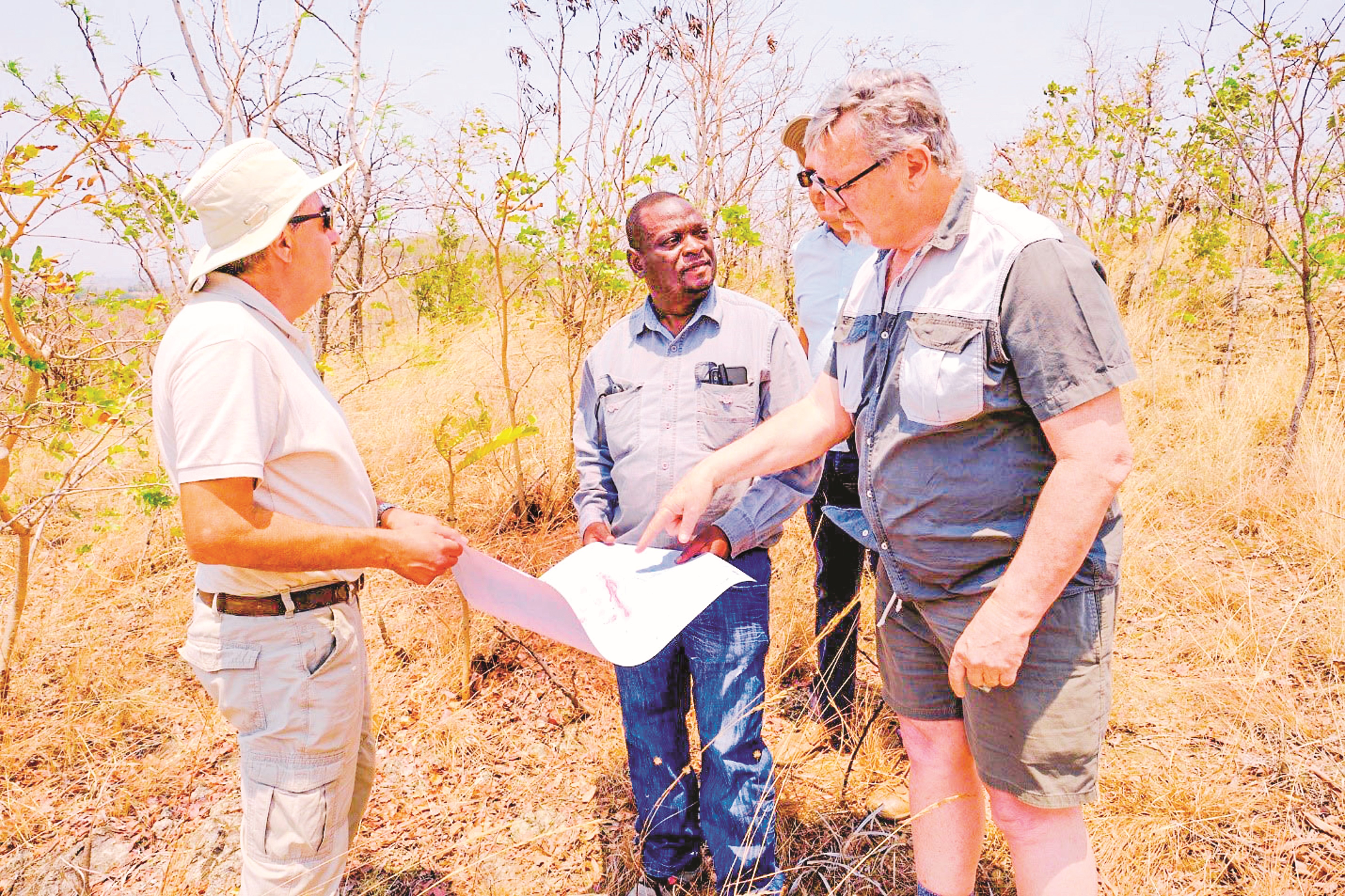
The World Bank says, with private sector led investment crucial for the development of Malawi’s mining sector, the Malawi Government needs to provide clear, consistent and predictable policies, laws and regulations to attract investors and support the development of mines.
In its roadmap on Malawi’s Energy Transition Minerals dubbed “From Potential to Prosperity,” the Bretton Wood institution identifies a coordinated set of immediate, short- and medium-term actions aimed at facilitating private investment and unlocking the country’s potential for the minerals, that the country is endowed with.
Energy transition minerals are metallic and non-metallic minerals used to build clean energy technologies including electric vehicles, wind turbines, solar panels and electric grids.
Malawi continues to discover deposits of such minerals including rare earth elements such as neodymium and dysprosium used to manufacture permanent magnets essential for production of wind turbines and electric vehicle motors.
“Successful rich countries attract investment in these minerals by providing certainty in policy, legal and regulatory frameworks, clear institutional responsibilities and transparent decision-making process,” reads the Roadmap by the Bretton wood institutions launched in April this year.
The roadmap places mining sector growth, strong sector governance and benefit realization and management in its three-pillar approach. Under mining sector growth, it identifies private investment, reliable geological information, an effective licensing system and stronger government capacity as key requirements for developing the sector.
It says bringing one or two large scale mines into production is important in helping investors assess operational and permitting risks in Malawi.
To improve the investment environment, the roadmap proposes upgrading and maintaining the mining cadaster, improving the geological data management information systems and making geoscientific information available online.
The Roadmap recommends collecting and interpreting new geological data, identifying areas of interest for exploration and developing and investment promotion strategy to better showcase Malawi’s mineral potential.
“Strong institutions and effective governance are key in ensuring mineral wealth supports sustained development,” it reads.
It therefore calls for stronger capacity and adequate resources for the Malawi Mining Regulatory Authority and Malawi Environment Protection Authority, and improved information sharing across government agencies.
The World Bank calls on Malawi to ensure that increased mining activity translates into broader economic benefits, particularly through local content, employment, skills development, revenue collection and community participation. It recommends stronger tax and revenue management, investment in skills, greater participation of local suppliers and a credible platform for dialogue between government, industry and other stakeholders.
For the proposed measures to deliver results, the Roadmap calls for a wholly government approach involving institutions responsible for mining, finance, environment, revenue, trade and other related areas. It recommends clear accountability, stronger coordination and information sharing to ensure that the actions under the three pillars are implemented in a coordinated manner.
For Malawi, the roadmap puts focus not simply on what lies beneath the ground, but on whether the country can create the conditions needed to turn those resources into lasting economic value. With private investment, reliable geological data, predictable policies, stronger institutions and coordinated government action identified as critical, the challenge now lies in translating these recommendations into practical action that can move Malawi’s mining sector from potential to production with broader national benefits.
Malawi’s advanced projects targeting energy transition minerals include Kangankunde Rare Earth Mining Project in Balaka where ASX-listed Lindian Resources in mining monazite.
Others include the Kayelekera Uranium Mine in Karonga under ASX-listed Lotus Resources, Kanyika Niobium Project in Mzimba by ASX-listed Globe Metals and Mining, and Songwe Hill Rare Earth Project in Phalombe under Mkango Rare Earths.
Share this:
Leave a Comment
Comments
Mining & Trade Review News

Agribusiness News
Subscribe to Newsletter
Rehabilitation:
The establishment of a stable and self-sustaining ecosystem, but not necessarily the one that existed before mining began. In many cases, complete restoration may be impossible, but successful remediation, reclamation, and rehabilitation can result in the timely establishment of a functional ecosystem.
Archives
Remediation:
The cleanup of the contaminated area to safe levels by removing or isolating contaminants. At mine sites, remediation often consists of isolating contaminated material in pre-existing tailings storage facilities, capping tailings and waste rock stockpiles with clean topsoil, and collecting and treating any contaminated mine water if necessary.
Stakeholders Logos